

Massage Gun
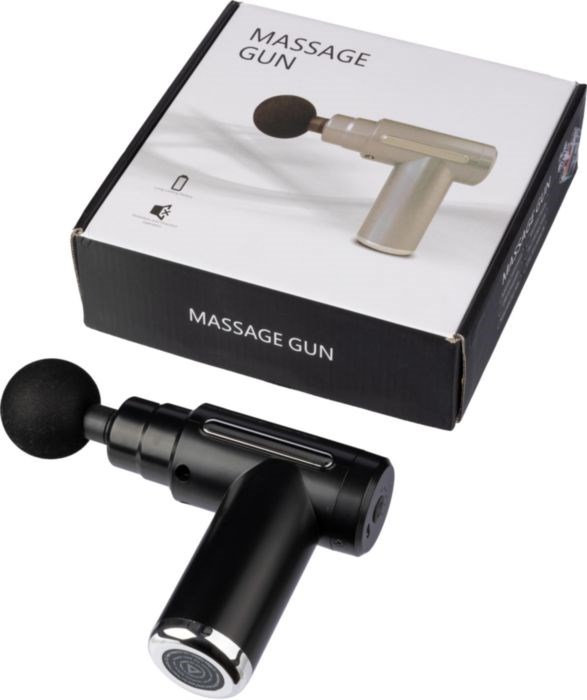
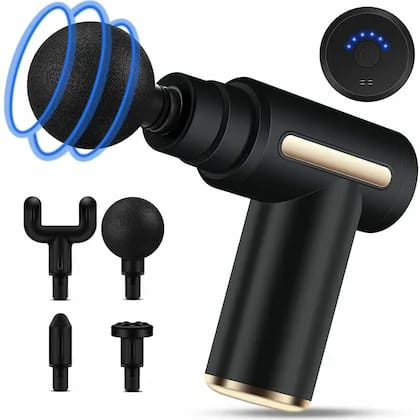
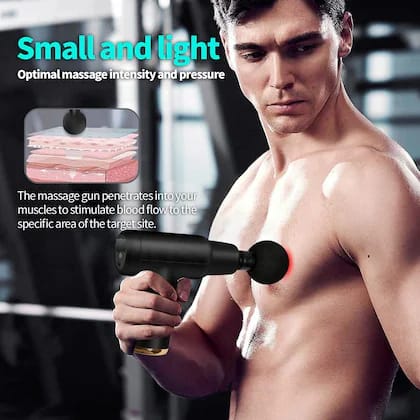
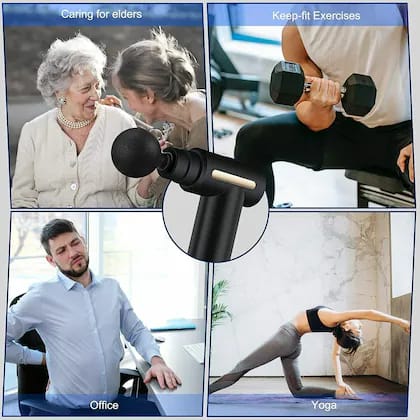
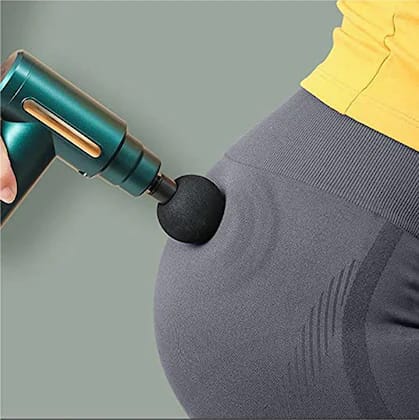
A massage gun is a handheld, deep-tissue massager that uses percussion therapy—rapid, short bursts of pressure—to help treat muscle soreness and improve recovery.
Key Features and Benefits:
Percussion/Vibration Therapy: It delivers rapid pulses, or “percussions,” deep into the muscle tissue. This action can help increase blood flow, which may reduce inflammation and muscle tightness.
Muscle Recovery: It’s popular among athletes and fitness enthusiasts for reducing post-workout muscle soreness (known as DOMS – Delayed Onset Muscle Soreness) and speeding up warm-ups before exercise.
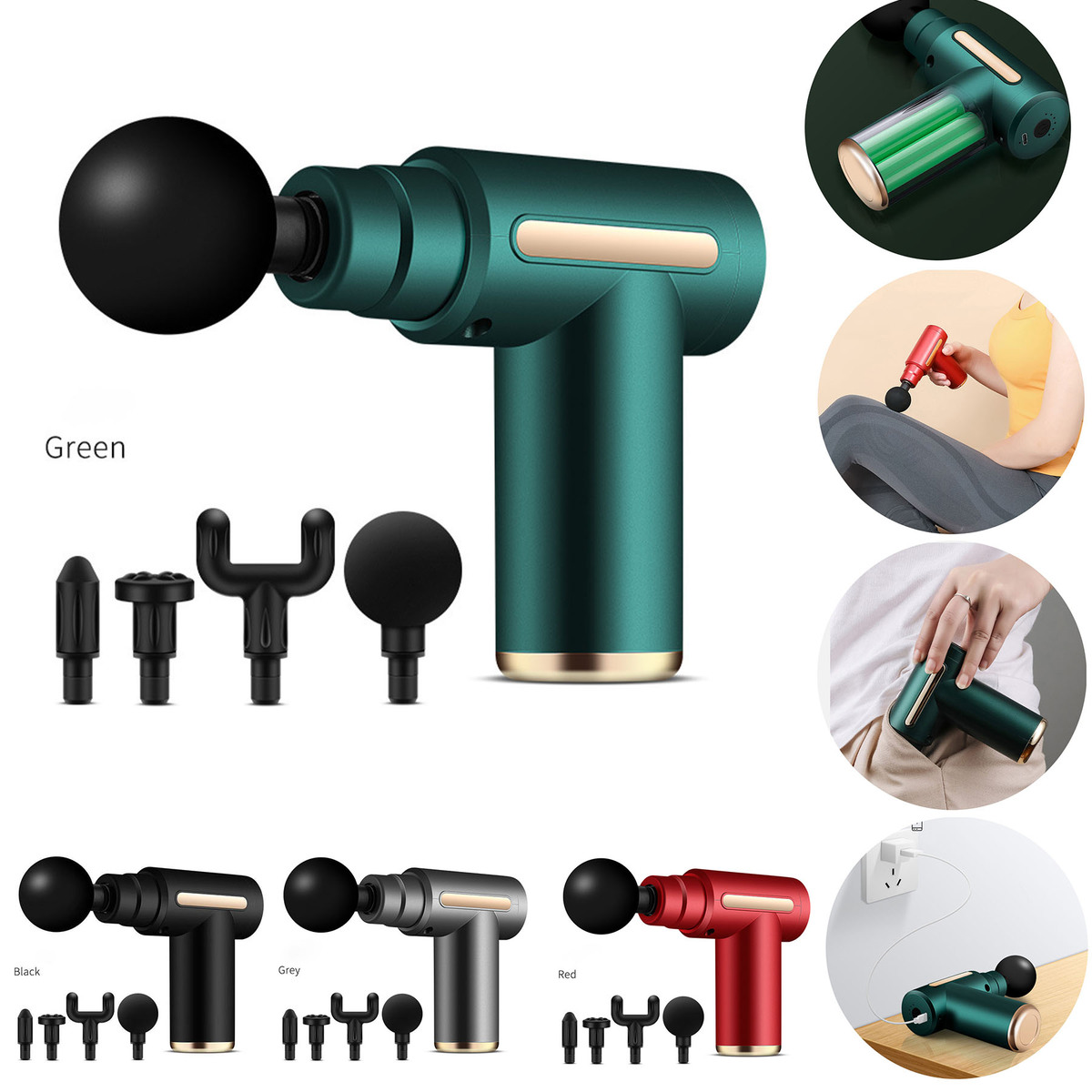
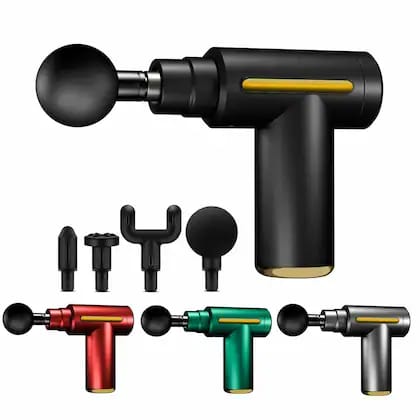
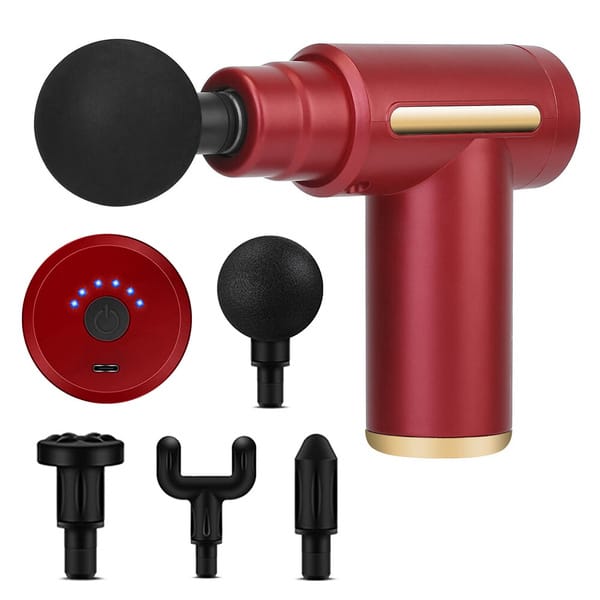
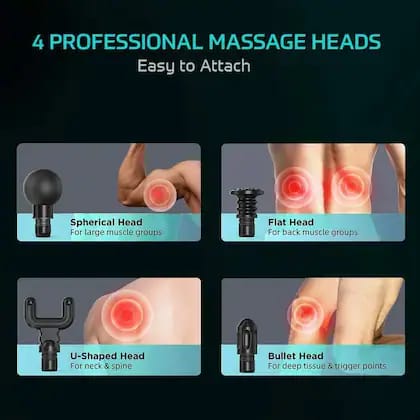
Targeted Treatment: The device comes with different interchangeable head attachments (like the ball, fork/U-shape, bullet, and flat heads shown in your image) designed to target various muscle groups and specific areas:
Ball/Round Head: Great for large muscle groups like the glutes, quads, and hamstrings.
Fork/U-Shaped Head: Used for targeting the muscles around the spine and the Achilles tendon.
Bullet/Cone Head: Ideal for treating knots, trigger points, and smaller areas.
Flat Head: Good for general full-body use, applying pressure evenly to dense muscles.
Portability: The model in the image appears to be a mini or compact version (as suggested by the picture of it being held in a pocket), making it easy to carry in a gym bag or backpack.
Color Options: Your image shows it’s available in several colors, including Green, Black, Grey, and Red.
It’s essentially a personal, convenient tool for self-myofascial release, which is the practice of massaging your own muscles to relieve pain and tension.
1. Guide to Massage Gun Attachments Most massage guns, including the mini/compact one pictured, come with several different heads. They are designed to target specific muscles or areas of the body: Attachment Shape / Appearance Best For Purpose / Notes Ball / Round Head Large, foam, or rubber ball Large Muscle Groups (Quads, Glutes, Hamstrings, Back, Biceps).
The most versatile head. It’s great for general body massage, muscle activation before a workout, and overall post-workout recovery. Flat Head Flat, circular disc (usually firm plastic/rubber).General Full Body use, denser muscles, and IT bands/Shoulders. Provides a wider contact area and delivers pressure evenly.
Good for relieving tension in broad, flat muscles and working out surface-level knots. Bullet / Cone Head Small, pointy tip.
Trigger Points and Knots (deep, localized pain).Delivers the most targeted, deep-tissue pressure. Use it to pinpoint and break up very specific, stubborn muscle knots or in small areas like the hands or feet. Fork / U-Shape Head Two narrow, prong-like ends. Muscles around the spine (avoiding the bone), Achilles tendon, and large rope-like muscles (calf).Designed to straddle the bone, massaging the parallel muscle lines on either side of the spine or tendon. Crucially, avoid direct contact with the spine itself.
2. How to Use Your Massage Gun Safely and Effectively Before You Begin Choose the Right Head: Select an attachment based on the muscle group you are targeting (see the table above).Turn it ON First: Turn the gun on to the lowest setting before placing it on your body. This avoids a jarring impact.
Start Low: Always begin with the lowest speed setting and slowly increase the intensity only if you are comfortable. The pressure should be “comfortably uncomfortable,” not truly painful. During the Session Rest, Don’t Press: Let the gun’s percussion do the work. Don’t apply excessive force; simply rest the massager on the muscle. Applying too much pressure can make the device stall or cause bruising. Keep it Moving: Gently glide the massage gun across the muscle belly. Move it slowly, about 1 inch per second. Target Time: Muscle Activation (Pre-Workout): 30 seconds per muscle group. Muscle Recovery (Post-Workout / General Soreness): Up to 1-2 minutes per large muscle group. Knots/Trigger Points: Hold the bullet head on a painful spot for only 10-20 seconds.
Hold Perpendicular: Hold the head perpendicular (90-degree angle) to the muscle area for the best results and comfort. Areas to AVOID Bones and Joints: Never use the device directly on joints (like knees, elbows, ankles) or bony areas (like the spine or collarbone).Front of the Neck: Avoid the front and sides of the neck where arteries, nerves, and veins are located. Open Wounds/Injuries: Do not use it on sprains, strains, cuts, bruises, or acute injuries.
3. General Benefits (Especially for a Mini Gun)The model in your picture looks like a mini or compact massage gun, which is very popular because it offers: Portability: Easy to throw in a gym bag, backpack, or even a large pocket for on-the-go relief. Lower Noise: Mini guns are often significantly quieter than their full-sized counterparts. Targeted Relief: Despite the size, they deliver effective percussive therapy for tight muscles. In general, using a massage gun can help to: Reduce Muscle Soreness (DOMS).Improve Blood Circulation to aid recovery. Increase Range of Motion and Flexibility. Relieve Muscle Tension and Knots.



Reviews
There are no reviews yet.